



Can We Actually See Everything?
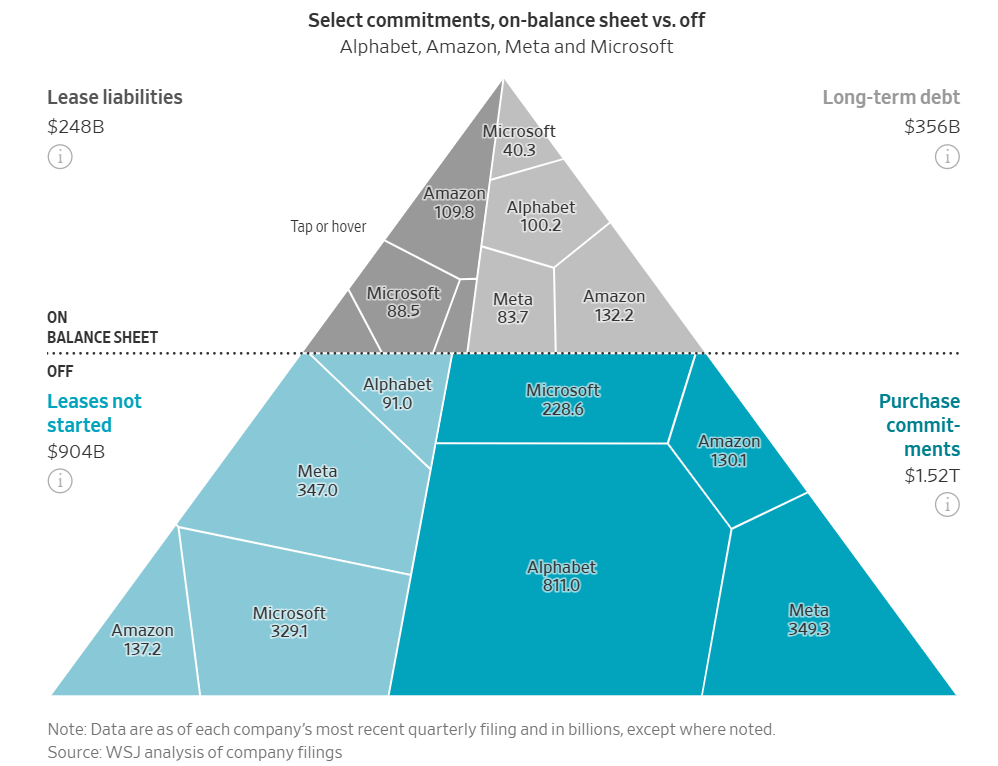
A piece of excellent reporting came from the Wall Street Journal in mid-August, outlining what is being disclosed and what is not. Corporations are not lying or breaking rules, rather, it comes back to accounting standards and the necessity for academic rigor in the investing process.
Taking risks to grow a company is not a federal offense. In fact, it has been at the very backbone of the American experiment for the past 250 years. We are simply highlighting the size and scale of the spending. In the same way that a depreciation schedule might trip up a growth plan, not having to disclose a lease that hasn’t yet started is another lurking challenge.
Does this mean we shouldn’t invest in growth? No. There will be winners from this expansion, and it is our job to find the companies that match our clients’ risk profiles based on their asset levels and time horizons.
We are saying that the optimism running through the stock markets will encounter unforeseen bumps, and if several occur concurrently, the volatility will be noteworthy.
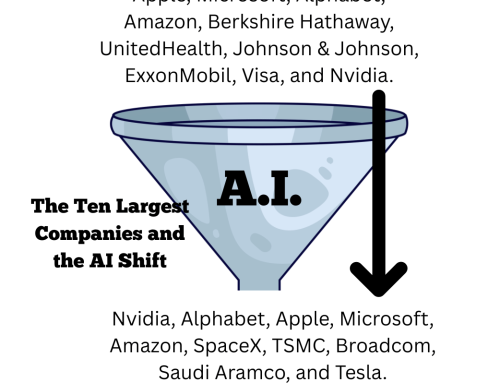
DLK will continue to track the progress of the great AI buildout with a careful eye and will share our thoughts on both the risks and the rewards.
We posted this portion of an article last week, but it seems relevant again to this topic!
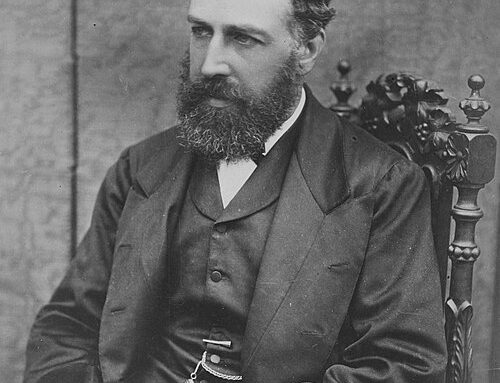
Who Was This Guy Jevons and Why Was He Paradoxical?
Given the serious tone of this update, we thought it would be helpful to discuss Jevons’ Paradox and encourage everyone to use the new tools available to them to better themselves and the world. You truly can be more efficient with an AI tool you understand how to use properly.
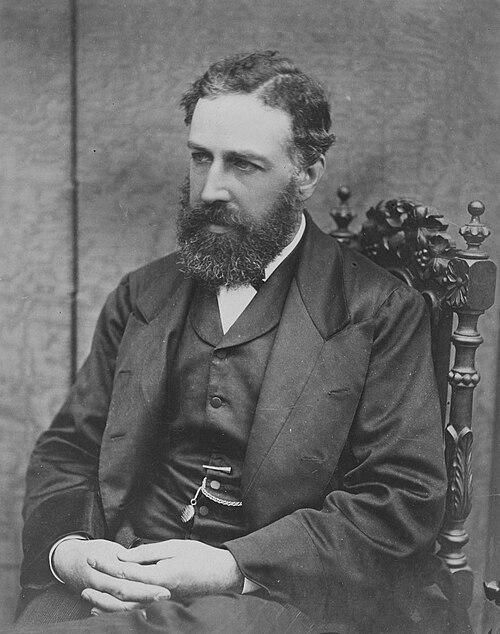
William Stanley Jevons (1835–1882) was an influential English economist and logician. He is widely considered one of the pioneers of the “marginal revolution” in economics, which introduced utility and mathematical modeling to the field.
Jevons first observed this paradox in his 1865 book, “The Coal Question.”
At the time, Britain was heavily reliant on coal, and many believed that James Watt’s newly invented, highly efficient steam engine would solve the looming crisis by burning drastically less coal per machine.
Jevons observed the exact opposite. Because Watt’s engine made steam power drastically cheaper and more productive, more industries across Britain rapidly adopted it. Entirely new industries emerged that couldn’t previously afford steam power. As a result, Britain’s total coal consumption skyrocketed rather than declined.
The layperson’s definition of Jevons’ Paradox is that as the cost of something drops, usage can grow so quickly that the total market outpaces the drop in cost. In the context of our current AI tool landscape, the ubiquity of the tools is spawning an explosion of applications and use cases that, in sum, grow the overall economy, and thankfully it should be a bit cleaner than the coal expansion in London in the mid-19th century.
In summary, when we wear our fiduciary hats, we cast a searing eye on anything that can harm. At the same time, when donning the hat of the entrepreneur, it is quite the time to think of a problem you want to solve for someone and then leverage the AI tools to accomplish that goal.
Right now, there are thousands of people working to cure cancer with these tools on all our behalf. What a day that will be!